Discover what popular bull festivals in Spain are, their traditions and main types: recortadores, vaquillas, fire bulls and bous al carrer. Culture and celebration.
In Spain, popular bull festivals are traditional taurine celebrations that form part of the local festivities in many towns and cities. Unlike bullfights held in formal arenas, these events usually take place in streets, town squares or enclosed urban areas, with the bull or cow as the central figure, closely linked to local culture, history and identity.
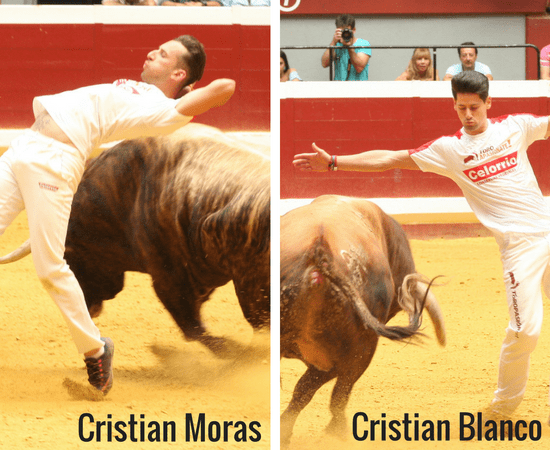
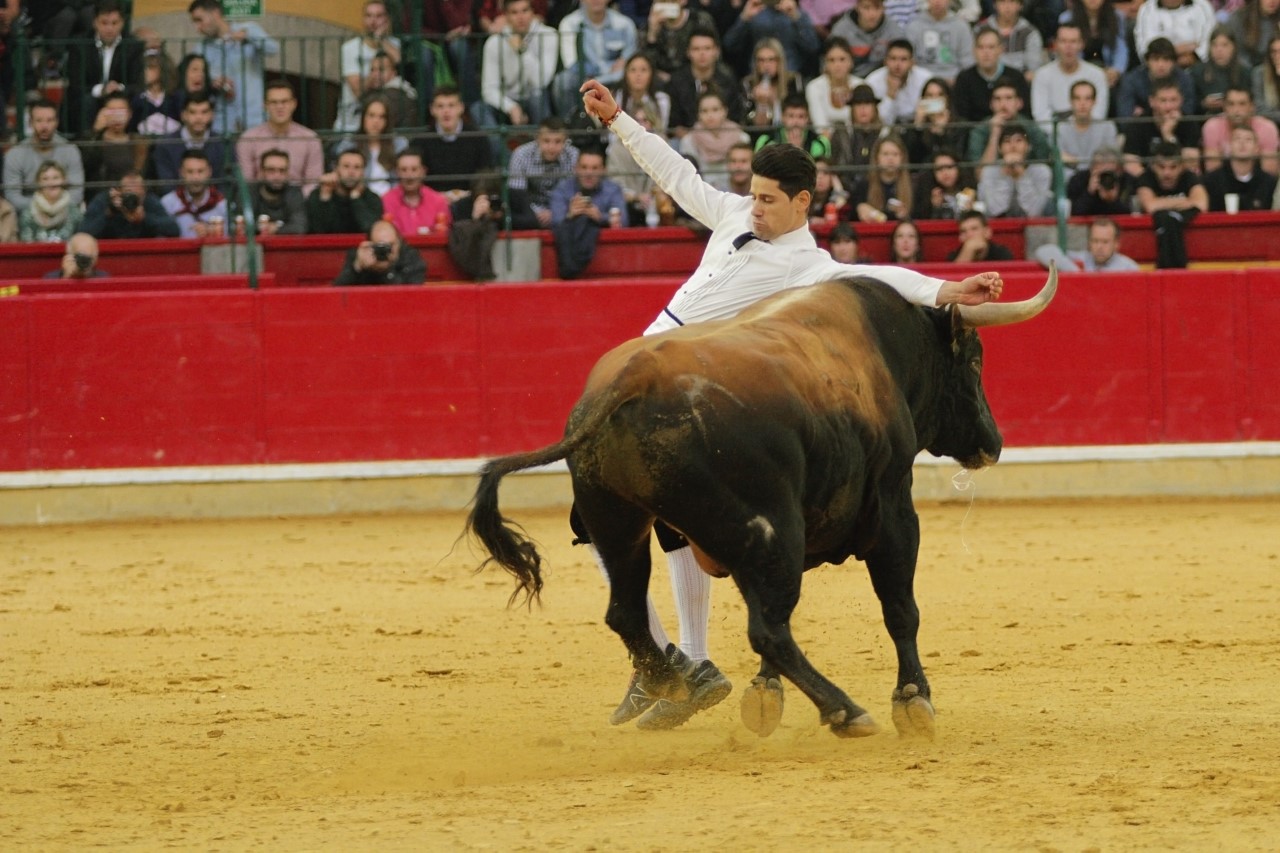
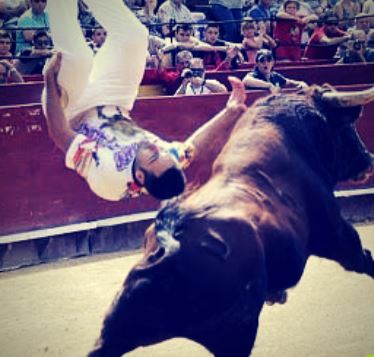
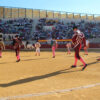
Recortadores are among the most spectacular expressions of popular bull festivals. In these events, highly skilled participants face the bull without cape or sword, relying purely on agility, speed and precision. Jumps, dodges and perfectly timed recortes create a thrilling display in which risk and physical ability take centre stage, without causing harm to the animal.
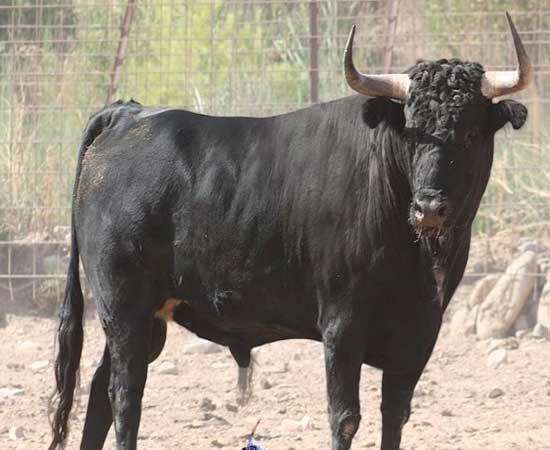
Vaquillas are probably the most widespread and participatory of all popular bull events. Young cows or small bulls are released into a square or enclosed area, allowing members of the public to interact with them in a playful and festive way. These events are especially popular among local residents, particularly younger people, and often become one of the liveliest and most social moments of the celebrations.
Bous al carrer, deeply rooted in the Valencian Community and other Mediterranean regions, include a variety of bull-related festivities held in public streets. Among them are the toros embolados, also known as fire bulls, where special devices with fireproof balls are placed on the bull’s horns and lit. These events usually take place at night and stand out for their strong visual impact and symbolic value, making them some of the most traditional and recognisable acts of local festivals.
Taken together, popular bull festivals represent an ancient form of relationship between communities and the bull, passed down from generation to generation. Beyond the spectacle, they are a powerful cultural expression, deeply connected to the history, traditions and social life of many Spanish towns and villages.