Written by • 08:35• Curiosities, José Miguel Arruego

The Bunker of Fear: Inside a Bullfighter’s Hotel

Between makeshift altars and million-euro contracts, bullfighters' hotel rooms become command centres where spirituality, business and fear are all part of the preparations before stepping into the ring.
Hotel Taurino

During the major days of a bullfighting fair, a bullfighter’s hotel ceases to be an ordinary hospitality business and becomes a world of its own. It transforms into an extension of the bullring itself: an improvised chapel, a command centre and a social barometer. Behind marble walls and carpets that muffle the tension, these buildings host a ritual hidden from the general public, where hotel luxury exists alongside mysticism and fear.

Historically, people in the bullfighting world have tended to stay in the same hotels for both logistical and psychological reasons. For professionals, sharing a space creates a sense of community and belonging during some of the most difficult hours of the day. The lobby of a ‘bullfighting hotel’ functions like a parliament, where managers, promoters and bull buyers cross paths. In the hotel cafés, contracts for upcoming fairs are negotiated, fees are discussed in accordance with official agreements, and the build and quality of the bulls selected during the morning’s inspection are assessed.

For enthusiasts, the hotel lobby is a place of anticipation. It is where they can gauge the atmosphere, catch a glimpse of the leading bullfighters at around half past four in the afternoon — during that short but agonising walk from the lift to the vehicle taking them and their teams to the bullring — and sense the tense calm before the event begins.

The Sanctuary on the Upper Floors: What Happens Inside a Bullfighter's Hotel Room?

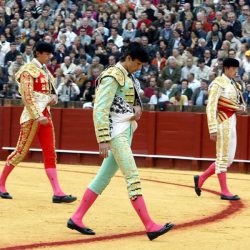
Roca Rey
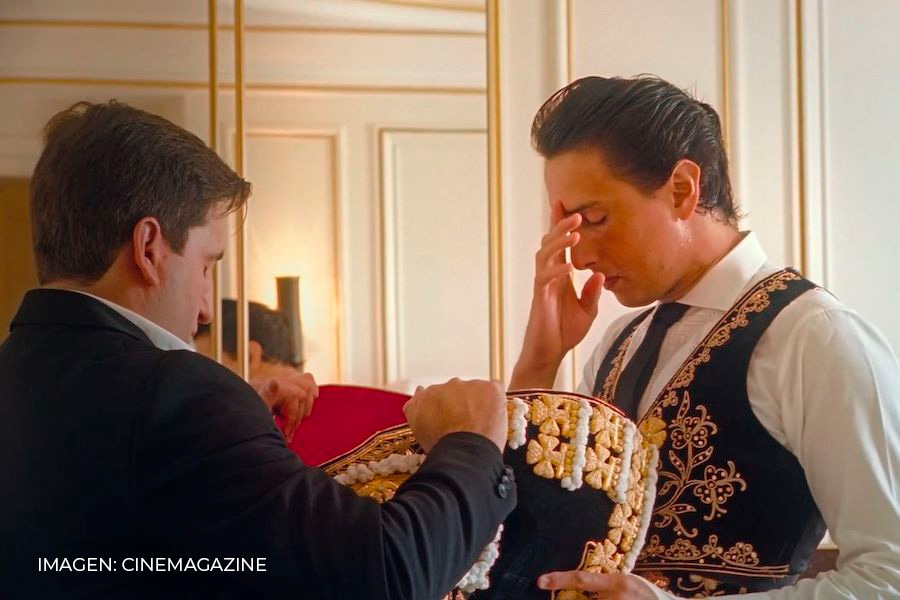
Image credit: Cinemagazine. Documentary film ‘Tardes de Soledad’.

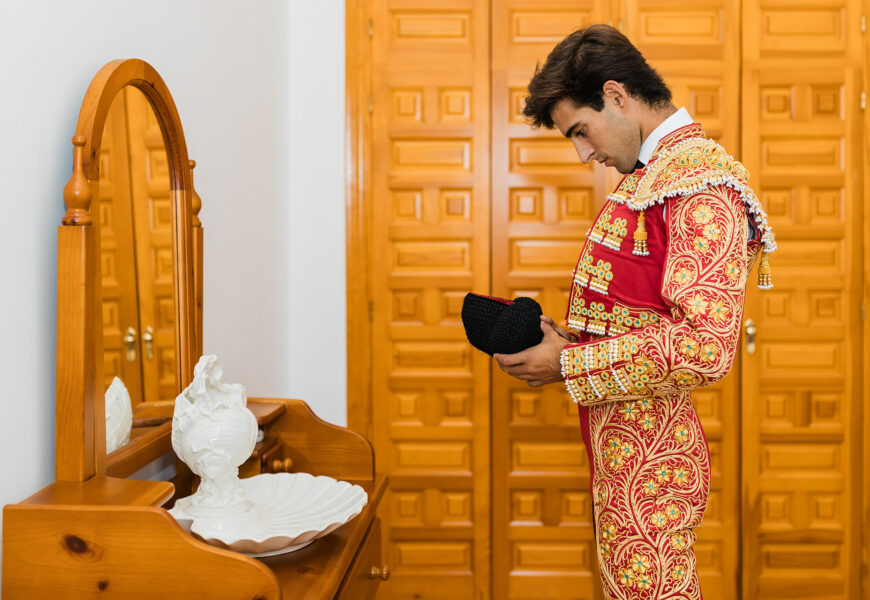
While the lobby downstairs buzzes like a beehive, time seems to stand still on the upper floors. Running a bullfighting hotel requires absolute discretion and flexibility from its staff. The matador’s room becomes a sanctuary, managed with military precision by the mozo de espadas, the bullfighter’s personal assistant responsible for his equipment and suit of lights.

The Makeshift Chapel

A temporary altar is arranged on a chest of drawers or bedside table. Images of Our Lady of Hope of Macarena, the Lord of Great Power or local saints are illuminated by candles, which nowadays are often electric because of hotel fire-safety regulations.

Complete Silence:

Housekeeping staff know that rooms must not be cleaned and guests must not be disturbed from midday onwards. The bullfighter’s lunch is minimal or extremely light perhaps a consommé and some fruit while the hours before getting dressed demand almost monastic silence.

The Ritual of Getting Dressed

Putting on the suit of lights is a ceremony that takes around an hour. The mozo de espadas lays out the costume meticulously on the hotel chairs, reproducing exactly the same arrangement in Madrid, Seville or Mexico, often as a matter of superstition.

Two Different Worlds: Spain and the Americas

In Latin America, this environment takes on a different character and intensity. At the most iconic hotels, popular devotion can be overwhelming. Hotel entrances are often guarded by mariachi bands, handicraft sellers and crowds willing to wait for hours. The warmth of Latin American fans often breaks through the more restrained mysticism traditionally associated with Europe. There, the bullfighting hotel becomes a public celebration of passion, where the bullfighter is treated, quite literally, like a living legend before even stepping into the arena.

The Other Side of Silence: The Case of Iván Fandiño

Not every bullfighter, however, prepares for a corrida amid the bustle of marble hotel lobbies. Alongside the traditional tendency to gather together, there has always been a group of bullfighters who avoid the noise and seek complete isolation to protect their mental focus before risking their lives in the ring.

One of the most notable examples in recent times was the much-missed Iván Fandiño.

From the 2012 season onwards, in particular, as his status among the leading matadors grew and his standards of self-discipline reached new heights, the bullfighter from Orduña preferred to avoid crowded hotels. Fandiño sought complete disconnection: a quiet retreat without fans asking for photographs or the constant background noise of the bullfighting business.

His loyalty to his own temperament and roots was evident in places such as Guadalajara. While others opted for large five-star hotel chains, Fandiño remained faithful to the modest Hotel España. It was the establishment that had sheltered him at the beginning of his career, when he was still a young novillero travelling from village to village in the Alcarria region to take part in informal bullfighting events.

For him, luxury was not measured by the number of stars outside the building, but by peace, humility and a connection with his origins. His example reminds us that sometimes, when preparing to risk one’s life in the ring, the best hotel is not the one that shines the brightest, but the one that offers the greatest shelter for the soul.

Latest news. You’ll want to read this!

Upcoming bullfighting events

Check out the calendar of bullfights in Spain: Seville, Valencia, Madrid… over 150 bullrings and bullfighting events

Visited 1 times, 1 visit(s) today
Last modified: 21 October, 2026

Close Search Window
↑
Close