Blood, tears and keys: The hotels that made bullfighters
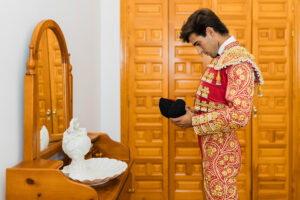
Hotel rooms were the true meeting grounds of the bullfighting world. These were places where silence could be cut with a knife, where contracts for the season were stitched together and where fear hid among cigarette ends and capes spread across the beds. Today, many of these temples of solitude and bohemian life have fallen victim to demolition, bankruptcy or radical conversion into tourist accommodation, erasing the physical spaces where bullfighters once sought refuge before risking their lives in the ring. This journey brings back the names of legendary establishments that have disappeared, alongside one remarkable survivor that continues to keep the spirit of another era alive.
Madrid's romantic bullfighting heritage
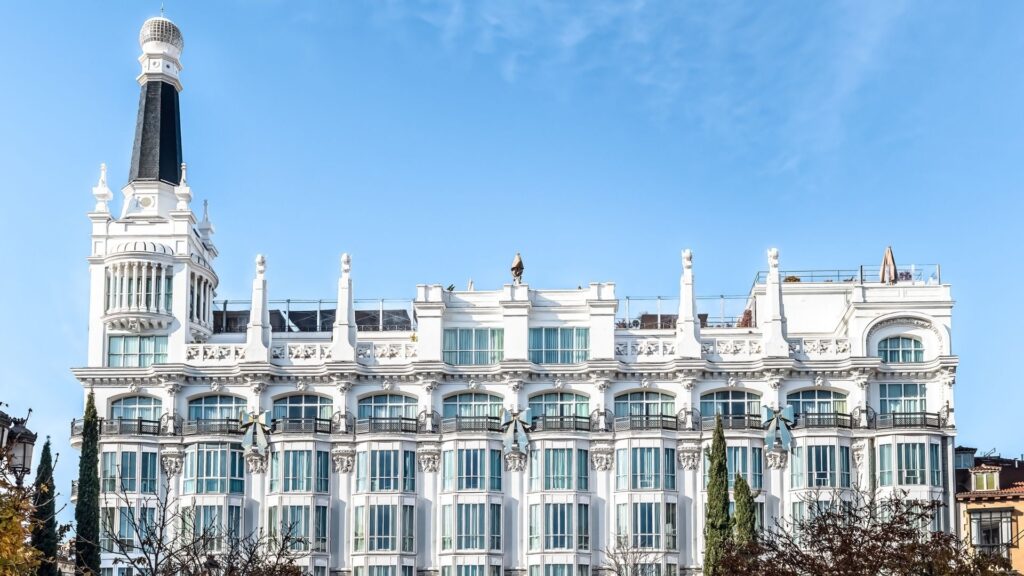
Hotel Victoria (Plaza de Santa Ana)
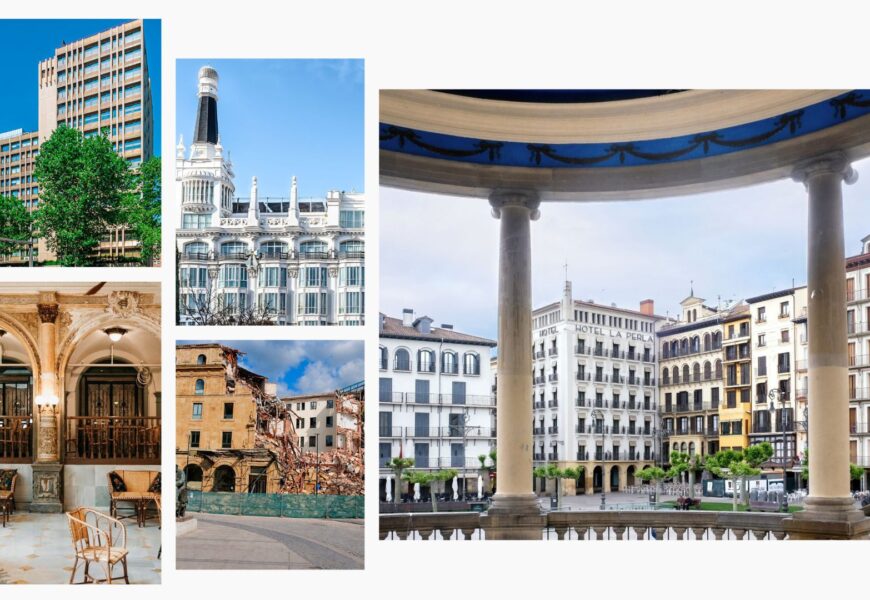
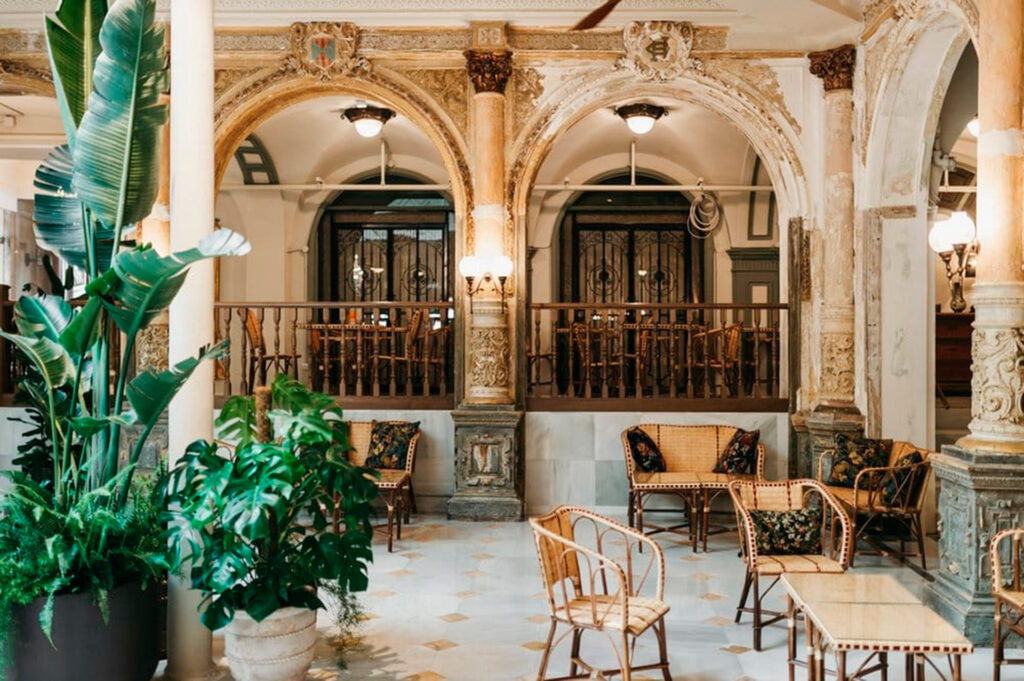
Now operating as the ME Madrid Reina Victoria, this magnificent Modernist building was once the spiritual home of Madrid’s bullfighting fraternity. Its history is closely associated with Manuel Rodríguez, known as Manolete, who turned room 406 into his personal sanctuary of absolute silence, shutting out the fervent crowds gathering in the square below.
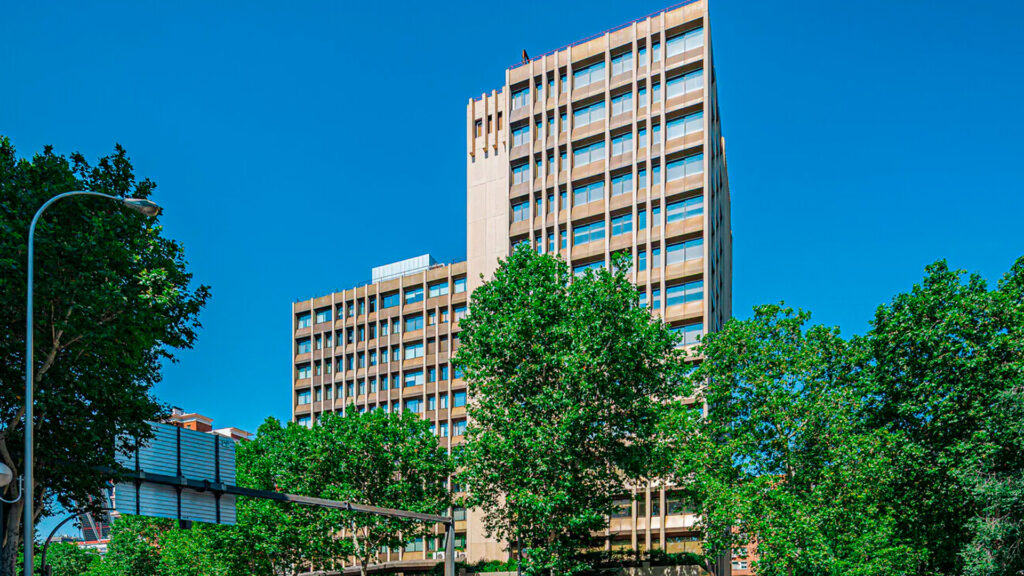
Hotel Foxá (Chamartín):
An essential landmark for understanding the final golden age of Madrid’s bohemian bullfighting scene, the Hotel Foxá was the spiritual home and winter headquarters of the legendary Antoñete. In its lounges, surrounded by clouds of cigarette smoke, Chenel, as he was affectionately known, held court during legendary late-night gatherings that brought together some of the leading intellectuals of the bullfighting world.
Following the hotel chain’s financial collapse, the building was transformed and began operating under a different commercial identity, far removed from the mystique that once defined it.
The north and the Castilian plateau: Survivors and Rubble
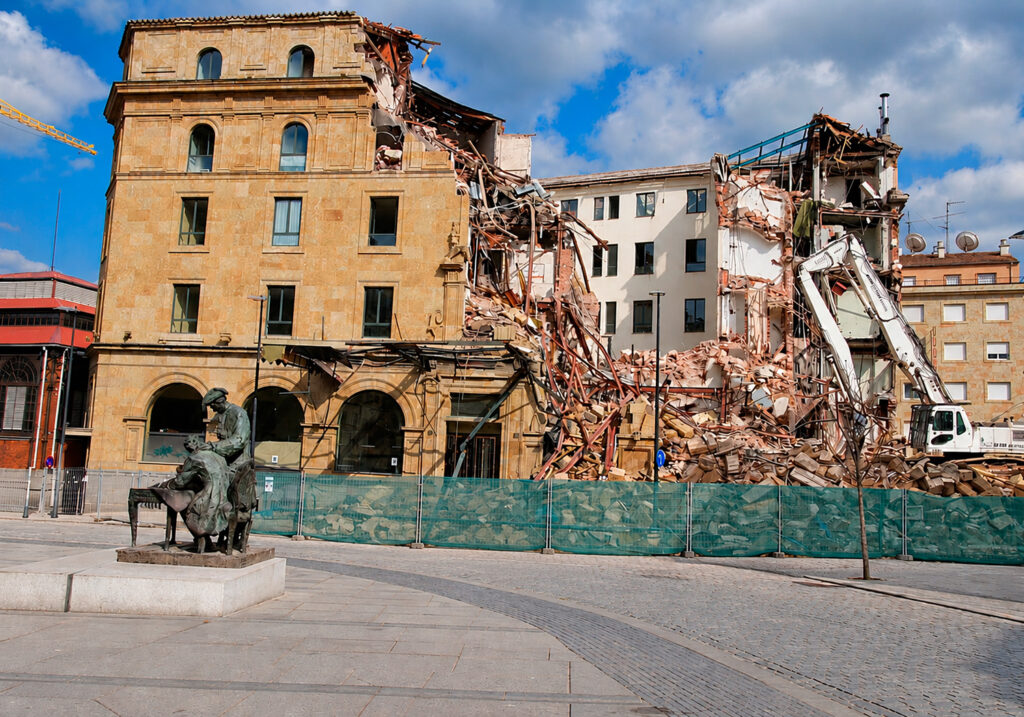
Gran Hotel (Salamanca):
Built in 1930 near Salamanca’s Plaza Mayor, this establishment served for three-quarters of a century as the headquarters of the city’s bullfighting scene. It was far more than somewhere to spend the night: bullfighters organised entire seasons there, while their managers negotiated contracts and finalised deals at its tables.
The hotel closed permanently in 2004, and the building was demolished three years later. Today, only a hospitality business bearing the same name on the ground floor of the replacement residential building remains as a reminder of the place where matadors once dressed before climbing into the bullfighting team’s car and heading to La Glorieta bullring.
Gran Hotel La Perla (Pamplona):
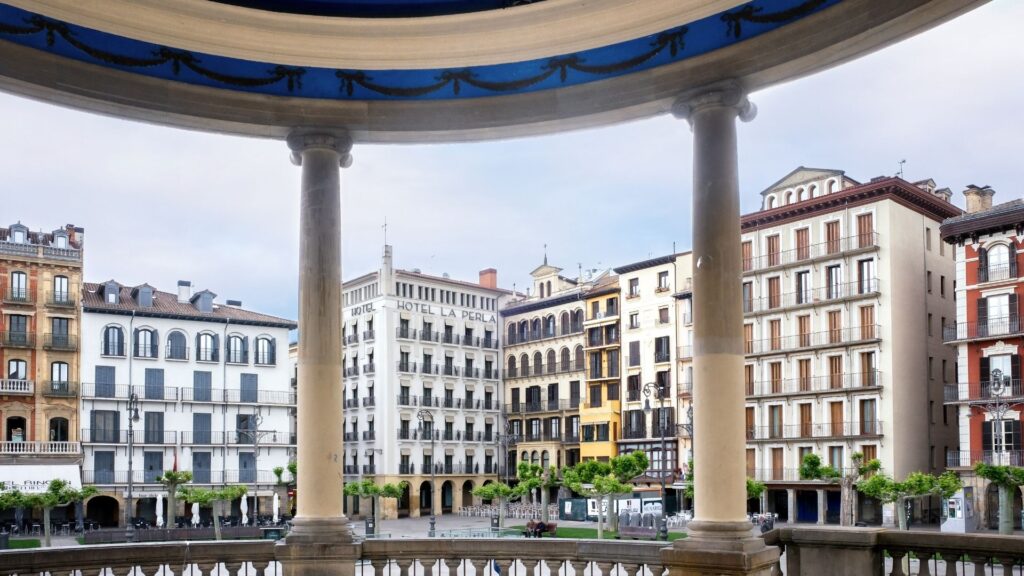
The only historic stronghold still operating while preserving its original identity. Founded in 1881, this five-star hotel overlooking Plaza del Castillo has witnessed the history of San Fermín unfold from its balconies.
Ernest Hemingway remains one of its most familiar attractions for visitors, but the hotel’s deeper bullfighting heritage lies in the rituals of matadors who insisted on returning to the same room year after year, seeking refuge from the bustle of Estafeta Street.
The festival’s traditions and logistics have nevertheless evolved. Although La Perla retains its historic atmosphere, most matadors appearing at the fair today tend to favour the more discreet arrangements of the centrally located Hotel Yoldi or the greater seclusion offered by Hotel Luze El Toro, in the neighbouring area of Berriozar/Berrioplano.
The Catalan Legacy
Hotel Oriente (Barcelona):
Situated on Las Ramblas, this building began life as a Franciscan convent before becoming a favoured hotel among bullfighters, at a time when Barcelona was one of Spain’s busiest bullfighting centres.
Its rooms welcomed legendary figures such as Joselito el Gallo, who spent several days recovering there in 1914 after suffering a relatively minor goring at Barcelona’s Monumental bullring.
As bullfighting declined in Catalonia and was subsequently banned, the hotel gradually severed its ties with its taurine past. Its clientele shifted towards the international mass tourism that now fills Barcelona’s famous boulevard.
In our next instalment, we will explore the hotels used by bullfighters today. These establishments have inherited the role once played by the vanished sanctuaries described here, carrying forward — in the present day — the mystique, personal rituals and practical arrangements shaped by the hotels of a bygone era.
Latest news. This will interest you!

Blood, tears and keys: The hotels that made bullfighters

The Bunker of Fear: Inside a Bullfighter’s Hotel

Arenas de San Pedro: The Last Bullfight of the Year

The Home of Spain’s Rising Bullfighting Stars

Logroño San Mateo Fair: Bullfighting Without Looking at the Sky

Almodóvar del Campo: The Miracle of a Capital-City Fair in the Heart of La Mancha
Upcoming bullfighting events
Check the schedule of bullfights in Spain: Seville, Valencia, Madrid… over 150 bullrings and bullfighting events