
History and characteristics
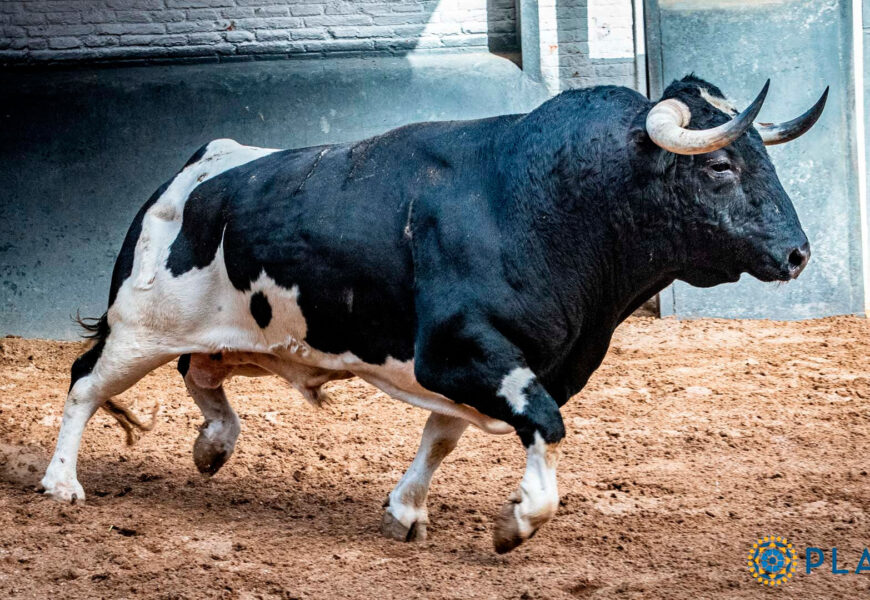
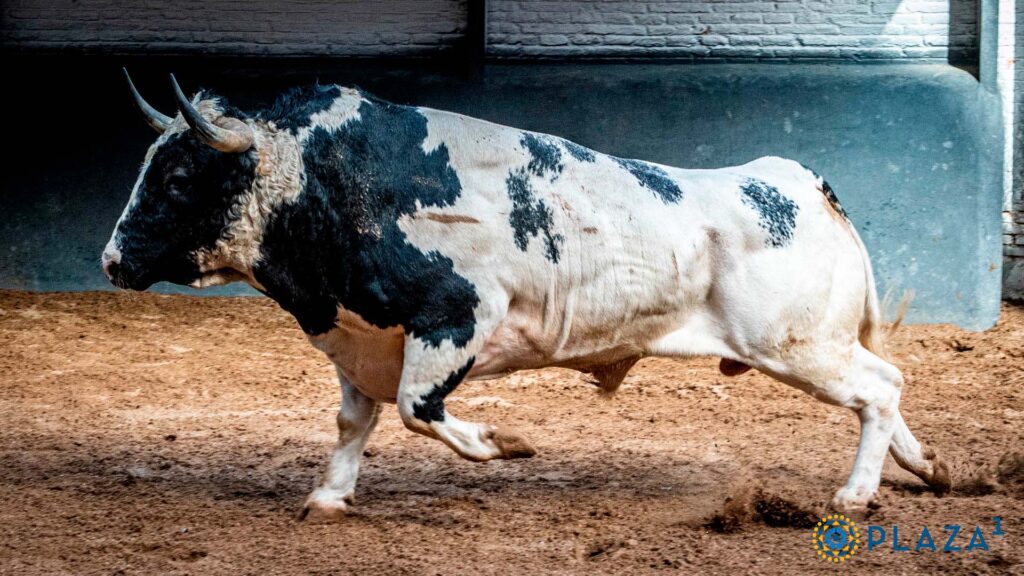
The Vega Villar bloodline was founded in the early 20th century (1910) by an eccentric figure named José Vega, who decided to cross Veragua cows with a Santa Coloma breeding bull. This unusual combination produced one of the most distinctive genetic and chromatic blends in the fighting bull world, commonly referred to as the “white-legged” type.
Why this name? Because the resulting animals displayed highly striking coats, often berrendo (piebald) in various tones — mainly black, chestnut or red, and bluish-grey — and in different patterns such as paired, moon-spotted or patched. Others showed a predominant coat colour, usually black, red or greyish, but with numerous white markings, particularly on the forehead, tail and legs.
José Vega enjoyed little time to develop his experiment. In 1914 he sold the herd to the Villar brothers (Francisco and Vitorio). The subsequent division of the livestock between them gave rise to the two main branches of the bloodline: Vitorio sold his share to the Encinas family in 1939, which later passed into the hands of Mr. Francisco Galache, while Francisco Villar transferred his part in 1945 to the Cobaleda family.
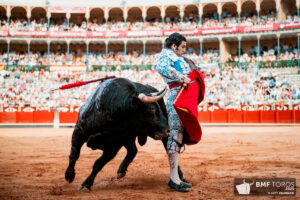
The Vega Villar bull is typically of lighter frame, with short forelegs and well-developed horns. Its behaviour tends to be explosive in the early stages of the fight — lively, aggressive and full of character — but it may lose intensity during the final phase with the muleta, a trait breeders have long sought to improve.
This bloodline is also known for its early development, reaching maturity at around three years of age and ageing more quickly than others. It reached its peak during post-war Spain, when shortages of livestock meant that animals not yet four years old were often fought as fully mature bulls. While the Encinas branch was renowned for its more refined bravery, the Cobaleda line became known for a fiercer, more temperamental charge.
The later introduction of official weight announcements in major bullrings, which encouraged the breeding of larger animals and altered the traditional type of many bloodlines, along with the use of the guarismo (branding the final digit of the year of birth on the shoulder to confirm the bull’s true age), gradually pushed these animals to the margins, almost removing them from the arenas altogether.
Today, the Francisco Galache herd of Hernandinos most faithfully represents the Encinas branch, while Barcial and the recently revived Sánchez Cobaleda ranches preserve the Cobaleda lineage. Special mention must also be made of the Monteviejo herd, owned by Victorino Martín, which has successfully combined both branches under the same brand. All continue striving to preserve a distinctive and highly valued bloodline, particularly appreciated by the most traditional sector of bullfighting enthusiasts.
Latest news - you're interested!

An Unmissable Classic

Hidalgo Barquero: The Elegance of a Sub-Breed

La merienda in bullrings

Arnedo: The North Opens the 2026 Season in Style

What is the divisa and what is it used for in a fighting bull?

The ten most common superstitions in bullfighting
Upcoming bullfighting events
Check the bullfighting calendar in Spain: Seville, Valencia, Madrid… more than 150 bullrings and bullfighting events