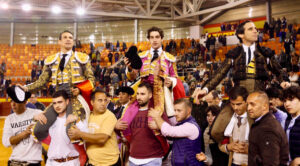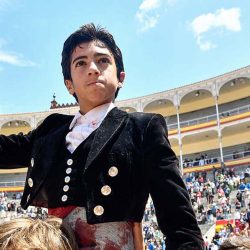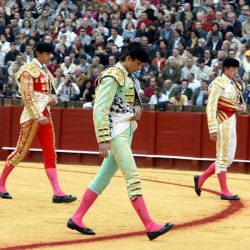
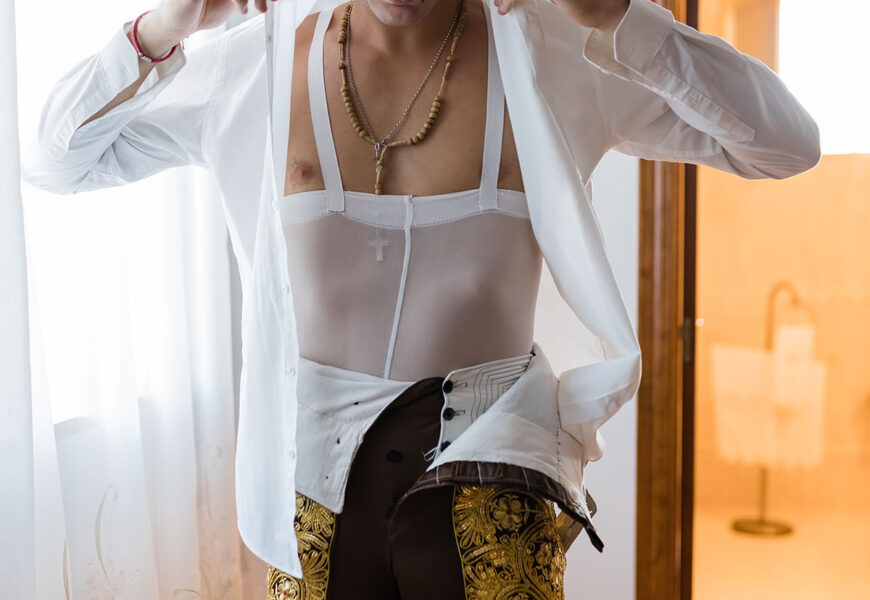
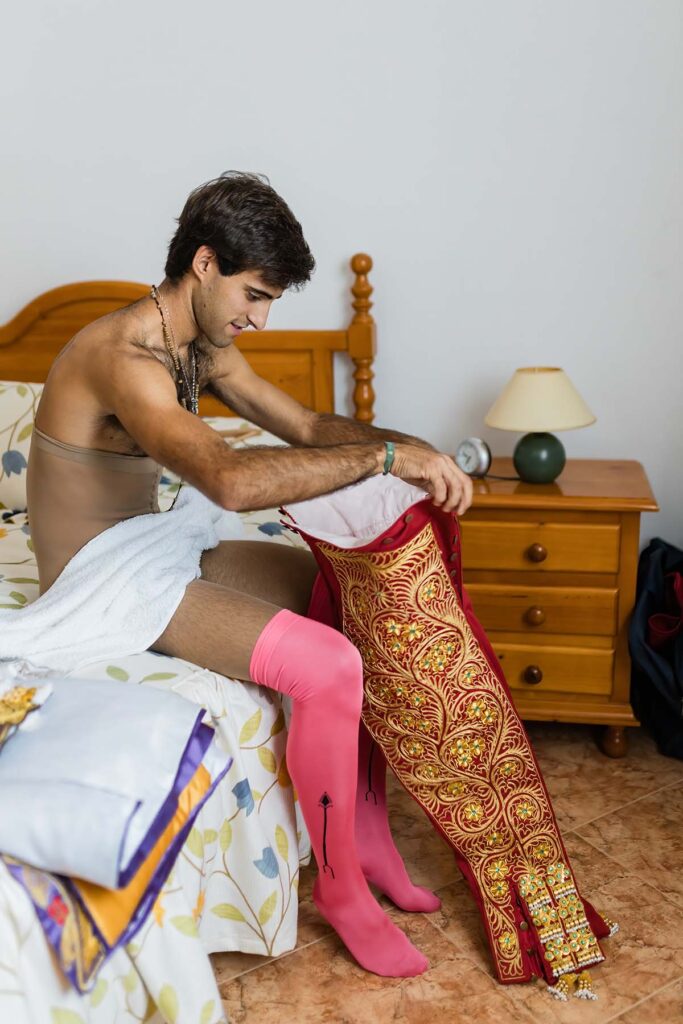
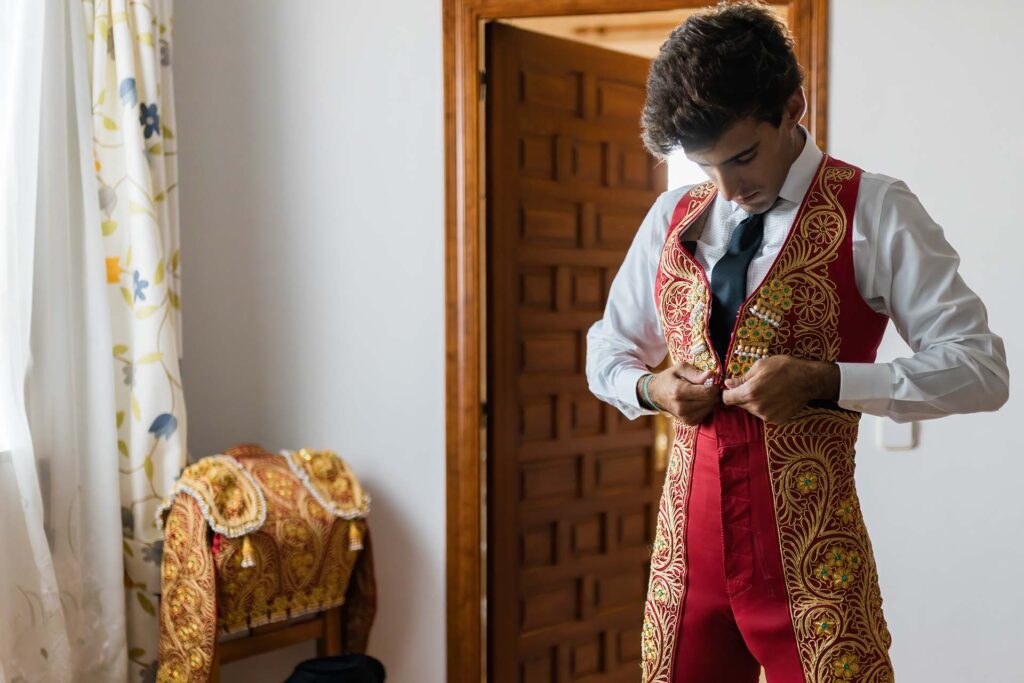

It is, without doubt, one of the most eye-catching elements of the spectacle: the traje de luces — or “suit of lights.” This dazzling and ornate costume captivates both seasoned aficionados and casual spectators alike. But how exactly is such a delicate and symbolic garment cleaned and preserved? Here we explain how it’s done, step by step.
The Suit of Lights: A Unique Garment
A traje de luces is unlike any other outfit, taurine or not. It is a work of art — intricate, handmade, and deeply personal — requiring special care to remain in perfect condition so that its owner, the bullfighter, can wear it a limited number of times.
The lifespan of each suit depends on how much use its owner wishes to give it. For example, a top-ranked matador rarely wears the same costume more than eight or nine times, sometimes even fewer. Meanwhile, a torero of lower rank, or a member of the supporting team (subalterno), might extend its use for much longer — for them, it truly becomes a “second skin.”
Sometimes a suit is only worn once. Superstition plays a role — if a bullfighter associates bad luck with a particular costume, they may never wear it again. Conversely, after a great triumph, many prefer to retire the suit as a memento of glory, often preserving it in a display case just as it was removed after the fight. The same happens with the suit worn for a matador’s alternativa (debut as a full matador) or their final farewell.
The Role of the Mozo de Espadas
So, how is a traje de luces properly cared for? The responsibility falls to one key figure in a matador’s team: the mozo de espadas (the sword page or personal assistant). He ensures that the suit remains immaculate after each performance, ready for the next bullfight whenever his matador needs it.
Once the bullfighter returns to the hotel, the mozo de espadas usually immerses the suit in a bathtub filled with lukewarm water for a couple of hours. Afterwards comes the brushing and gentle cleaning with detergent suitable for delicate fabrics, to help remove the most persistent stains — mainly blood and dust from the arena.
Cleaning the Marks of the Arena
Not all sand is the same. The albero of Seville’s Real Maestranza, for example, is notoriously difficult to remove, while the lighter river sand used in most other bullrings is far easier to clean. Darker sands, such as those from northern rings like Bilbao or Santander, are especially stubborn due to their iron content.
After brushing — using a little ammonia if bloodstains are particularly deep — the suit must be rinsed thoroughly to remove all traces of soap. It is then left to dry in the open air, but never in direct sunlight, which fades and weakens the fabric’s colours, especially the lighter shades. The suit should never be tumble-dried or taken to a dry cleaner, as the intricate embroidery and materials could easily be damaged.
Extending the Life of a Suit of Lights
A traje de luces, especially one worn by a leading matador, rarely lasts beyond a single season — two at most. Lesser-known bullfighters, with fewer appearances, can extend the life of their suits over several years.
When a bullfighter retires a suit, they might gift it to a young novillero (apprentice bullfighter) or sell it second-hand to another professional — not surprising, considering how costly these suits can be. The most significant or symbolic costumes often find their way into museums or private collections, where they become timeless tributes to their wearer’s legacy.
Tickets can be purchased at servitoro.com or by calling +34 96 330 85 93 Monday to Friday from 9am to 6.30pm, or via WhatsApp on +34 647 66 93 71.
Latest news - you're interested!

The ten most common superstitions in bullfighting

Bullfighting Breeders’ Associations

The Main Bloodlines of the Modern Fighting Bull

All the Types and Uses of Handkerchiefs in a Bullring

Illescas: Quality as Its Reason for Being