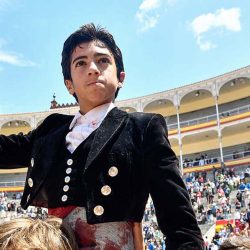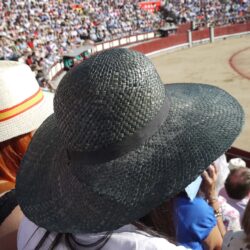


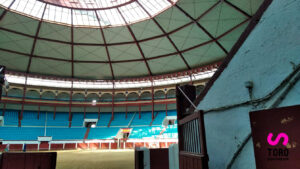
It’s one of the most common questions when someone gets invited to a bullfight: “What should I wear?” For regular fans, the question might seem trivial, but for first-time spectators it can become a real dilemma. Many worry more about not standing out among the crowd than about actually enjoying the experience.
In truth, there’s no strict dress code for attending a bullfight — no written rulebook on what to wear — but there are certain customs and unspoken traditions worth knowing. Servitoro has gathered a few practical tips to help you decide what to wear, depending on the style and atmosphere of the bullring you’re visiting.
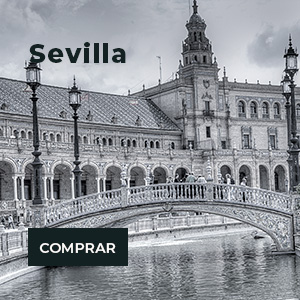
Each plaza de toros has its own personality and traditions. For instance, the attire expected in Seville’s Real Maestranza during the Feria de Abril is very different from what you might wear in Pamplona during the San Fermín festivities.
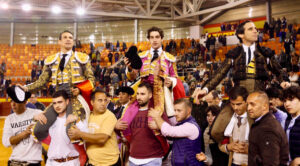
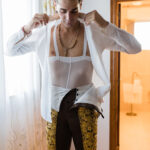
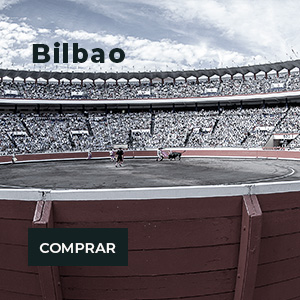
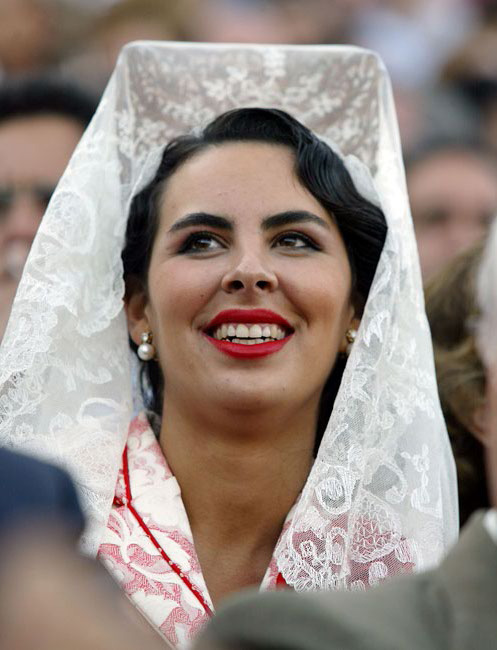
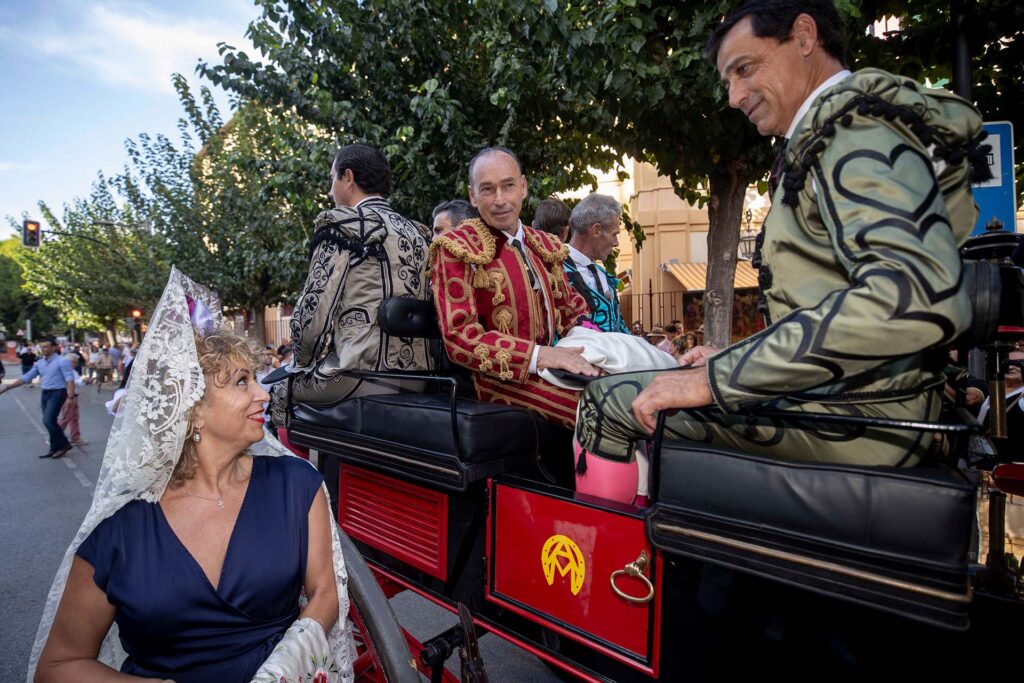
Some bullrings have a long-standing reputation for elegance. Seville, Ronda, Valladolid’s Paseo de Zorrilla, and Bilbao’s Vista Alegre are classic examples. In these venues, it’s common for men to wear a suit or at least a jacket and tie, looking smart but not ostentatious. Women, meanwhile, tend to choose elegant yet understated outfits — light, flowing fabrics and tasteful designs — remembering that bullrings can be narrow and crowded, with limited space to move around.
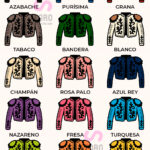
Because bullfighting involves high risk and superstition, many professionals in the ring are particularly wary of certain colours — especially yellow, which is considered bad luck. Out of respect for tradition (and to avoid attracting attention for the wrong reason), it’s best to leave that shade out of your outfit.
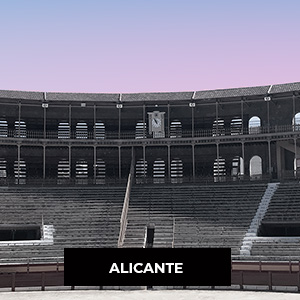
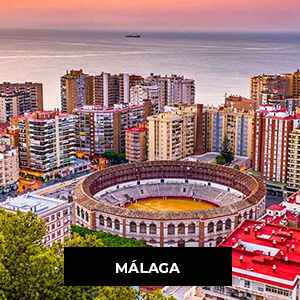
Other cities have a more festive and laid-back approach. Almería, Cuenca, Alicante, and even Albacete (though with a more serious bull and a more discerning crowd) are good examples. Here, spectators tend to dress more casually — light clothing, sunglasses, and handheld fans are common accessories to cope with the summer heat typical of these events.
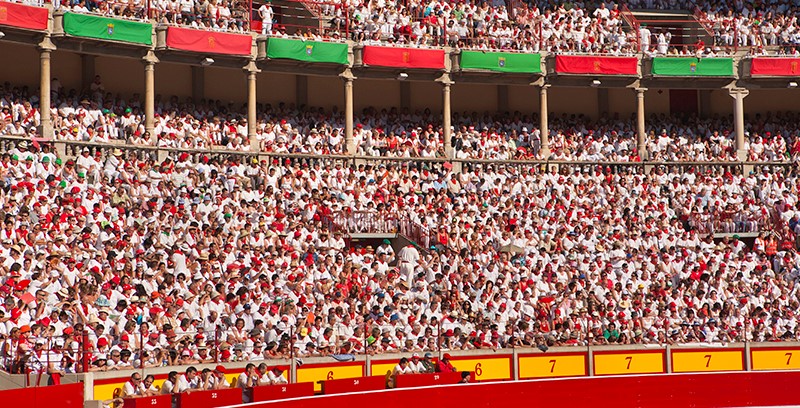
Finally, there are bullrings where a large part of the seating is filled by peñas (local fan clubs). Pamplona is the best-known example, though Burgos and Huesca also have lively groups.
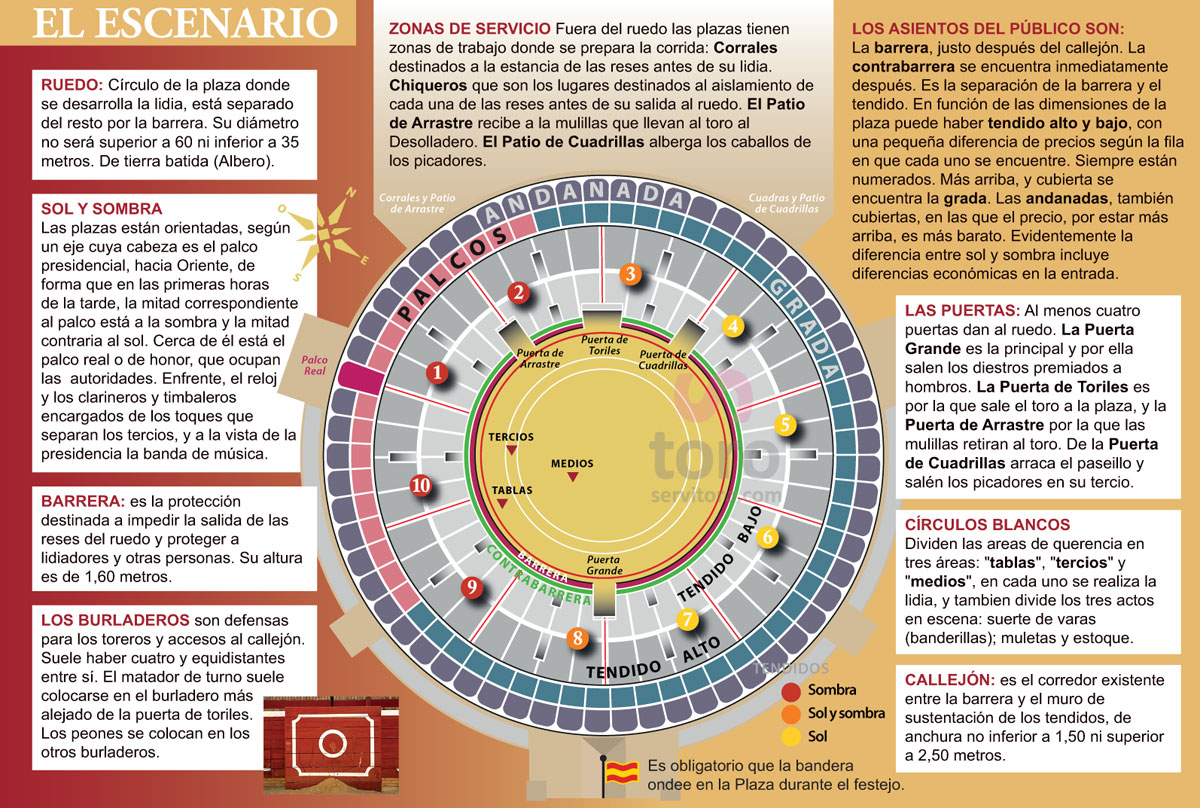
If your ticket happens to be in one of these sections — usually in the sunny, cheaper stands — it’s wise to either match their look (in Pamplona, that means white trousers and shirt with a red sash and scarf) or wear clothes you don’t mind getting stained. In these areas, it’s common for drinks, food, and celebration to spill over as part of the festive atmosphere.
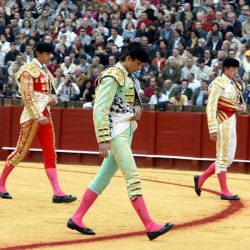
Last but not least, check the weather forecast. Bring a light jacket or a raincoat if temperatures drop or there’s a chance of rain. Avoid umbrellas — they block the view of others — and opt for waterproofs instead. Apart from your outfit, all you really need is good company and a willingness to enjoy the day. Once you’re seated, relax and let the spectacle unfold — because those wearing the traje de luces (suit of lights) will take care of the rest.
Upcoming bullfighting events
Check out the bullfighting calendar in Spain: Seville, Valencia, Madrid… more than 150 bullrings and bullfighting shows.
Latest news - you're interested!

Bullfighting Breeders’ Associations

The Main Bloodlines of the Modern Fighting Bull

All the Types and Uses of Handkerchiefs in a Bullring

Illescas: Quality as Its Reason for Being

Valdemorillo: The Action Is Here!