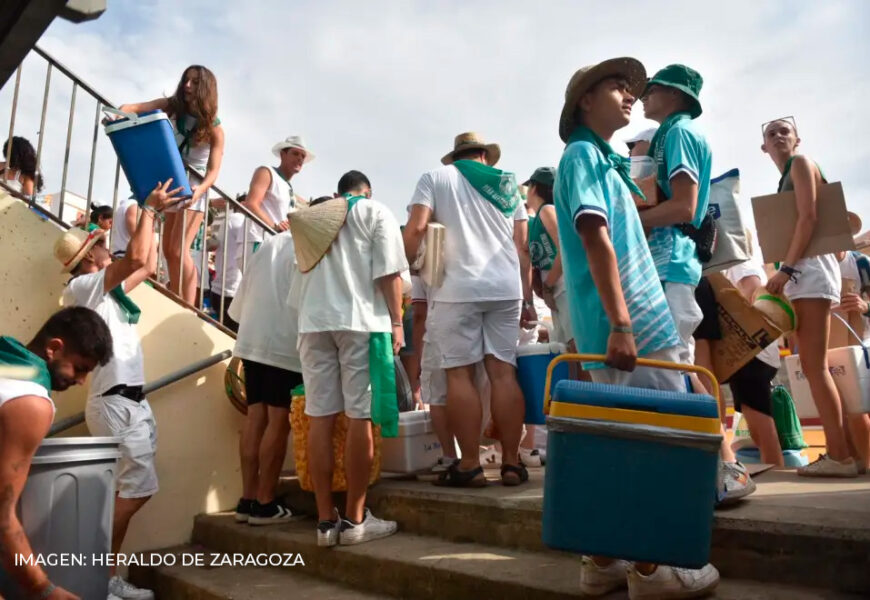
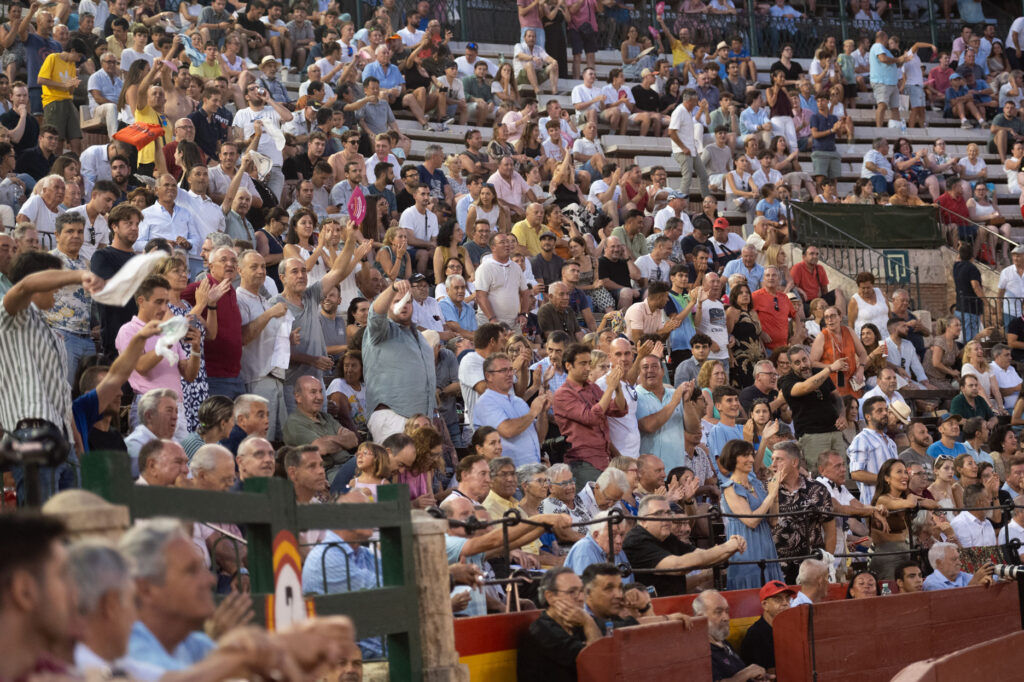
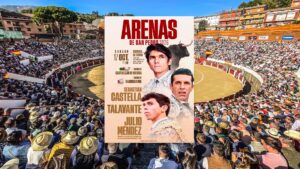
La merienda in bullrings, during a bullfighting event, is both a social and gastronomic occasion, deeply rooted in tradition. In many cases, it is not only part of the spectacle itself, but also the main reason why a large number of spectators attend the bullring, with the aim of socialising with the people seated around them.
Sometimes strangers, sometimes acquaintances, and on other occasions family members or fellow members of a peña (a supporters’ group), everyone takes a break to chat while enjoying the food they have brought from home. Conversations revolve around the bullfight, reviewing what has already happened and anticipating what is yet to come. However, there are moments when this culinary pause becomes an oasis — an opportunity to talk about matters completely unrelated to what is happening in the arena.
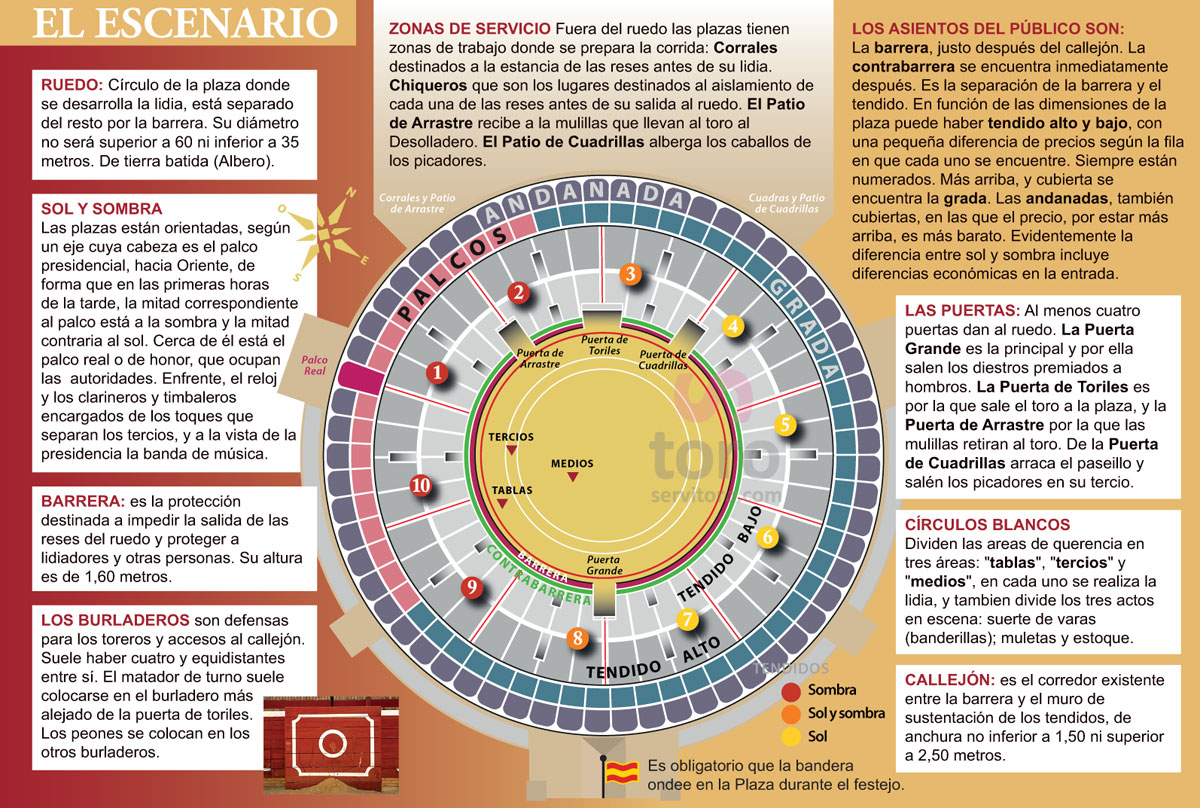
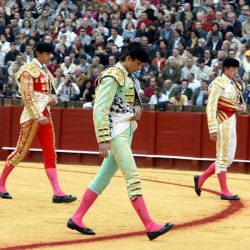
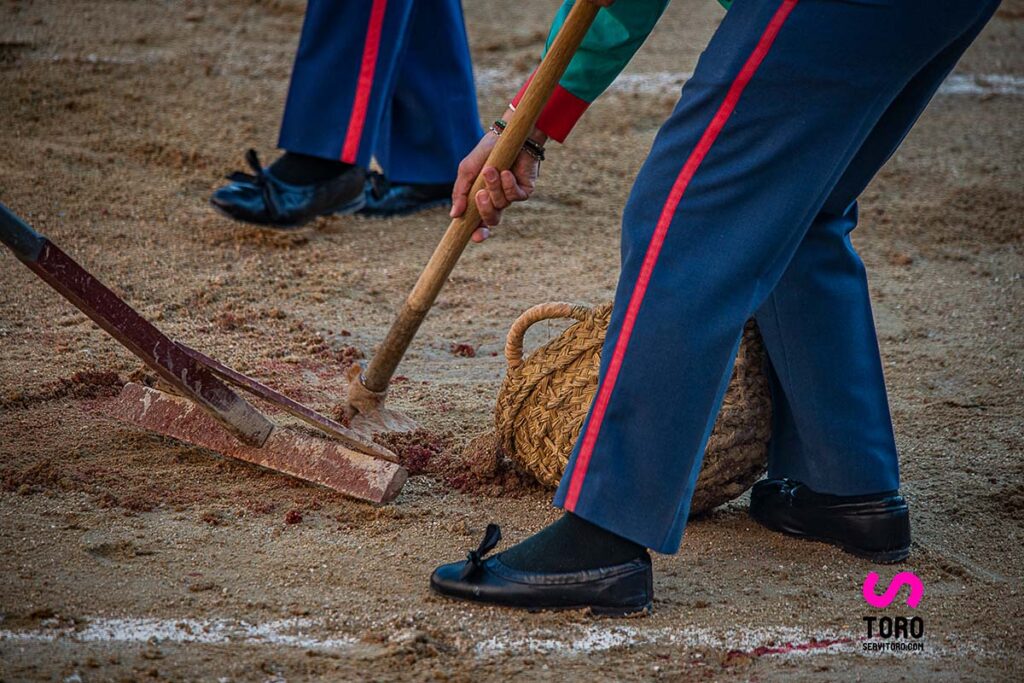
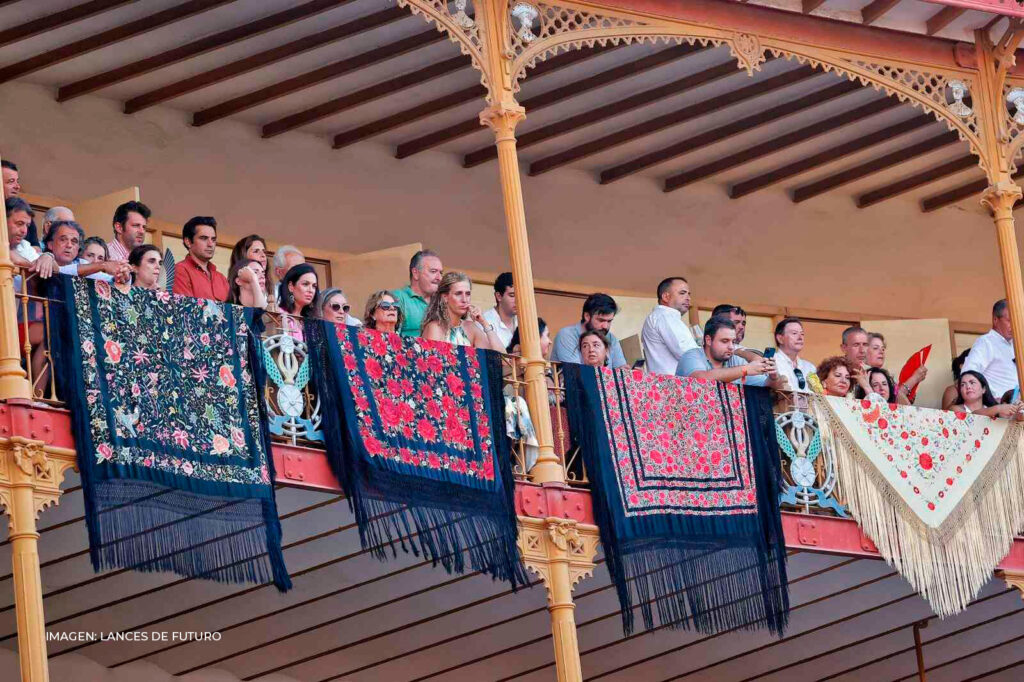
Generally, the pause in the bullfight takes place after the death of the third bull. At that point, the event is interrupted for several minutes, usually around fifteen, although in some bullrings the break can last up to thirty minutes. During this time, the arena staff take advantage of the pause to repair the ruedo (the sand arena) and water it if it has become too dry, preventing the remaining bulls from raising excessive dust when charging. Meanwhile, the matadors often spend the break giving interviews from behind the barrier or taking photographs with spectators seated in the front rows or those lucky enough to access the callejón (the passageway between the arena and the stands).
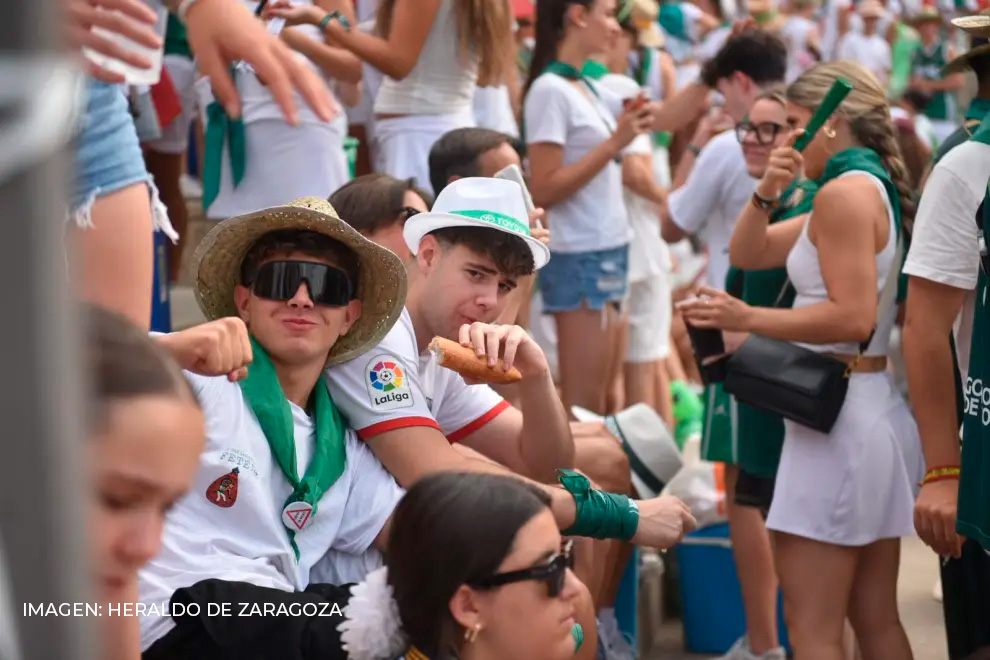
The menu varies widely and can range from hearty stews to dishes such as tripe, lasagne or braised cheek, all accompanied by good wine — traditionally carried in a bota (leather wineskin), as glass containers are not allowed inside the bullring — or drinks served in plastic cups. Those who attend the bullfight alone or are not seated in a group usually bring a sandwich from home or buy one from the bars surrounding the bullring, which, well aware of this tradition, do particularly good business on bullfighting days.
The most festive bullring and the main reference point for this tradition is Pamplona. Its San Fermín Festival has become an international icon, thanks in part to the universal recognition given to it by Ernest Hemingway and its extensive media coverage. Nearby bullrings such as Tafalla, Estella, Corella and Tudela, influenced by the capital, as well as Huesca — where the San Lorenzo festivities share many similarities — experience this unique moment of the bullfight in a very similar way.
However, neither in Pamplona nor in the other places mentioned is it customary to officially stop the bullfight for la merienda. Instead, after the fourth bull, peñas seated in the sunny sections of the stands and spectators in the shaded areas simply unpack their food. For this reason, many matadors are reluctant to be the first to perform in these bullrings — to open the bill, as the expression goes — as they feel that, during this bull, spectators are paying more attention to what they are eating than to what is happening in the ring.
The other major area where la merienda at bullfights is a deeply rooted tradition is the Mediterranean coast, especially in its southern stretch, which includes the provinces of Alicante, Murcia and Almería. These are all very torera bullrings — friendly and generous in character — where matadors are treated with warmth and affection, and la merienda becomes the most important social moment of the afternoon. Here, the bullfight does stop between the third and fourth bull to allow spectators to regain their strength. The same also happens in Albacete, an inland bullring not far away geographically, although its audience tends to be more demanding when judging what happens in the arena.
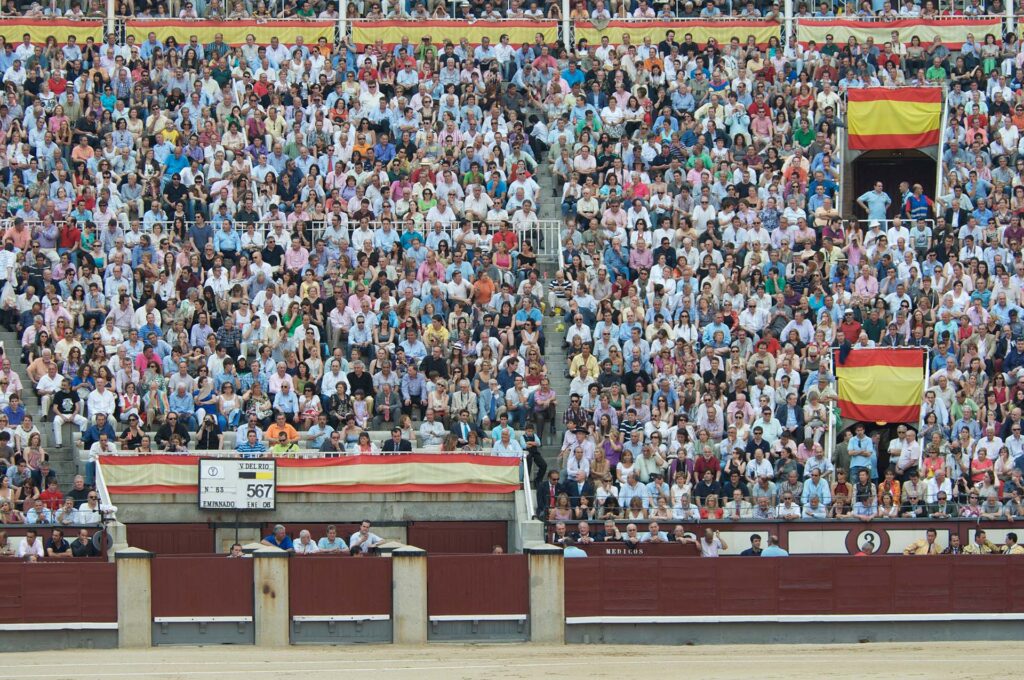
By contrast, there are bullrings where this tradition is not widespread, mainly in Madrid or Seville, probably the two most serious and demanding venues on the circuit. There, neither regular spectators nor season ticket holders look favourably on the idea of eating during what they consider a sacred ritual. Therefore, our final conclusion — and our last piece of advice — is that every bullring has its own personality. You can enjoy both the spectacle and the atmosphere in different ways depending on the place. The important thing is to blend in, experience the event without inhibitions, and follow that old saying: “When in Rome, do as the Romans do.” Enjoy your meal.
Upcoming bullfighting events
Check the bullfighting calendar in Spain: Seville, Valencia, Madrid… more than 150 bullrings and bullfighting events
Latest news - you're interested!

The Annual Miracle of Castile: Burgos Awakens Under the Sun of the Sampedros

Morante and the Bull Trial in Salamanca

Huesca: Basil, Sunshine and Peñas

Ávila: The Santa Coloma Bloodline Puts the Top Matadors to the Test

The Echo of Footsteps and the Stroke of a Genius: Morante in León This June