According to the Royal Spanish Academy (RAE), a superstition is an irrational belief with no scientific basis that attributes positive or negative consequences to certain events or circumstances, often based on magical thinking or coincidence. These beliefs are usually linked to good or bad luck — such as the idea that breaking a mirror or crossing paths with a black cat brings misfortune.
In bullfighting, superstitions have always been closely linked to the spectacle, undoubtedly because of its ritual nature and its constant “dance with death”. Below, we outline the ten most common superstitions, although it is important to note that not everyone involved in bullfighting shares the same beliefs. In fact, many professionals also have their own personal habits or “quirks”.
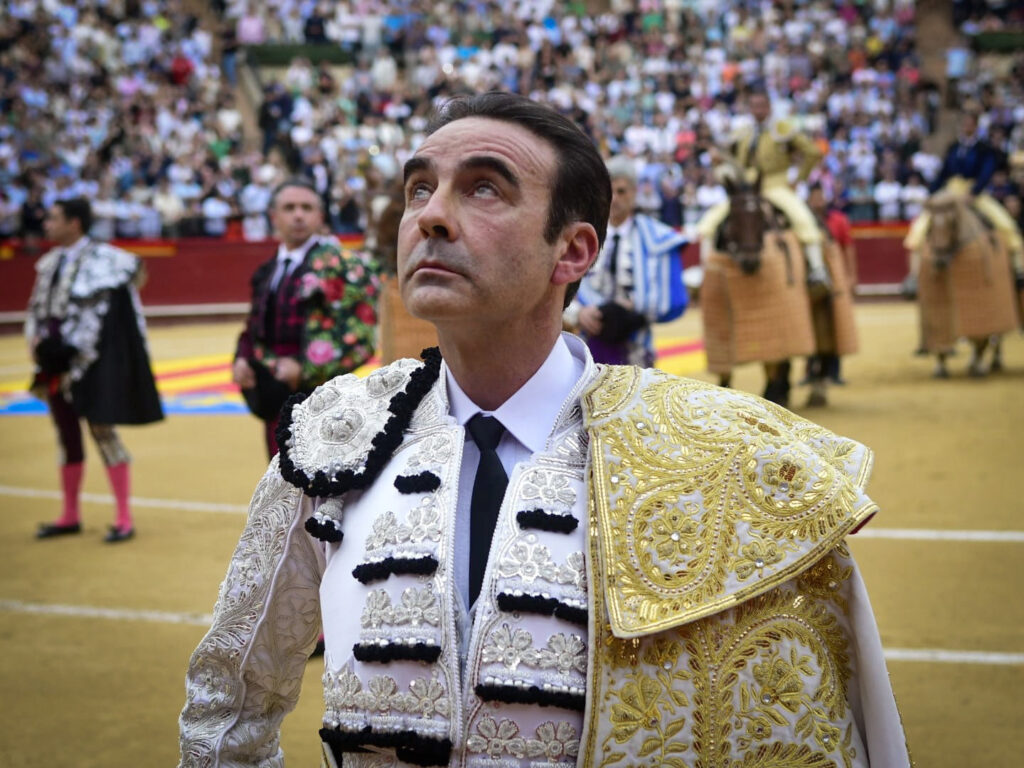
1. The colour yellow
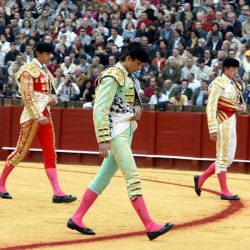
Yellow is a colour avoided by almost all matadors in their clothing and personal belongings, as it is widely believed to bring bad luck. Some matadors have challenged this belief, such as Jesulín de Ubrique, who wore a yellow traje de luces (traditional bullfighting suit) during the peak of his career. Others, like the Mexican matador Alberto Balderas, tragically died in the ring while wearing this colour. The fear of yellow is also common among actors and dates back to the 17th century, when Molière died during a theatrical performance while dressed in yellow.
2. Leaving a hat or montera on the bed
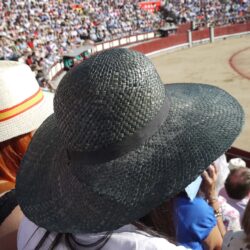
Placing a hat or montera (the traditional bullfighter’s hat) on a bed is strictly avoided, especially on the day of the bullfight. For this reason, matadors limit access to their hotel room, allowing only their mozo de espadas (personal assistant) and close companions — those who are aware of these beliefs — to enter.
3. Leaving the hotel room lights on
Another widespread habit among matadors and members of their cuadrilla (support team) is to leave the hotel room lights on, so that they can turn them off later.

4. Avoiding the number 13
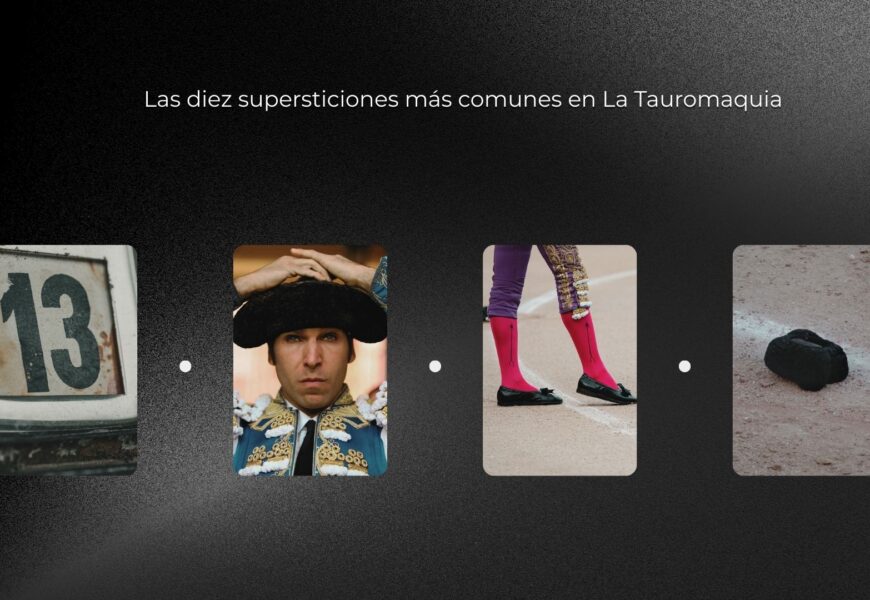
Many matadors avoid staying in hotel rooms numbered 13, or even rooms whose digits add up to 13 (such as 49, 67, 94 or 148).
5. Repeating or avoiding hotels
Matadors often return to the same hotel — or deliberately avoid it — depending on how their last performance in that town went. If the afternoon ended in success, they tend to repeat the same routines and habits. If luck was not on their side, those routines are usually changed.
6. Repeating suit colours and embroidery
The same applies to the colours of the traje de luces and its embroidery. Superstition or not, many matadors stick to a limited range of colours and rarely vary them. The same goes for embroidery patterns. Enrique Ponce, for example, used the same embroidery design throughout most of his career.
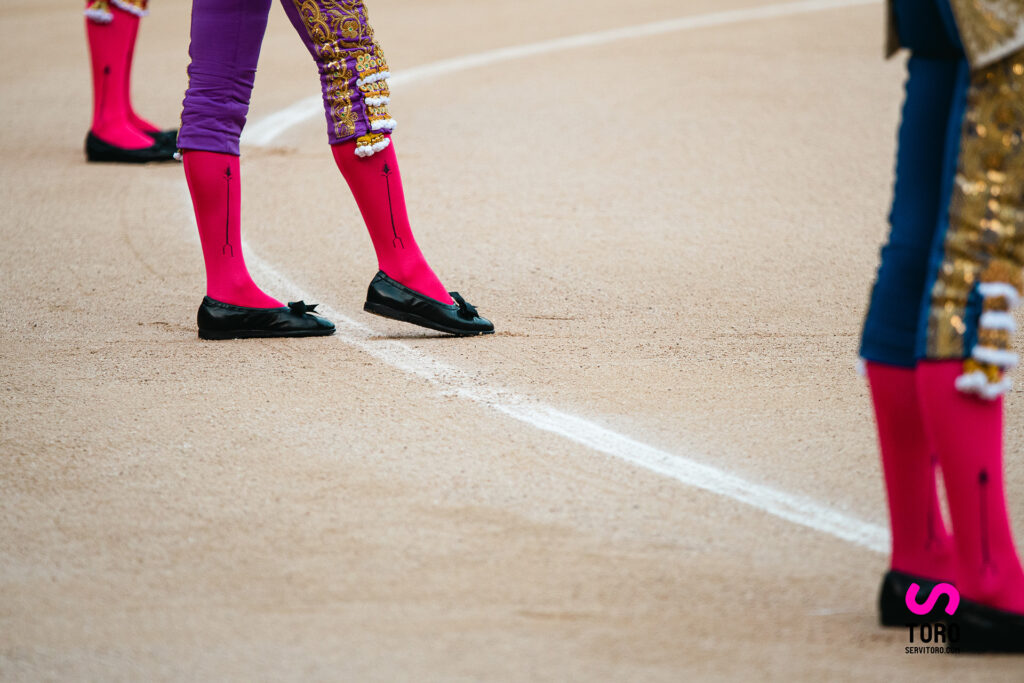
7. Visiting the chapel before preparing the cape
Whether or not they consider themselves religious — as the famous character Juncal once said, “deep down, all bullfighters are believers” — most matadors visit the chapel when they arrive at the bullring dressed in their traje de luces. There, they cross themselves, pray for protection, or place a small religious image on the altar.
8. Rituals before the parade into the ring
Before beginning the paseíllo (the ceremonial parade into the arena), most professionals repeat the same rituals, regardless of whether they are dressed in gold, silver or black. These rituals include touching the wooden boards of the barrier or avoiding stepping on certain lines in the ring, all with the aim of attracting good luck and warding off bad omens.
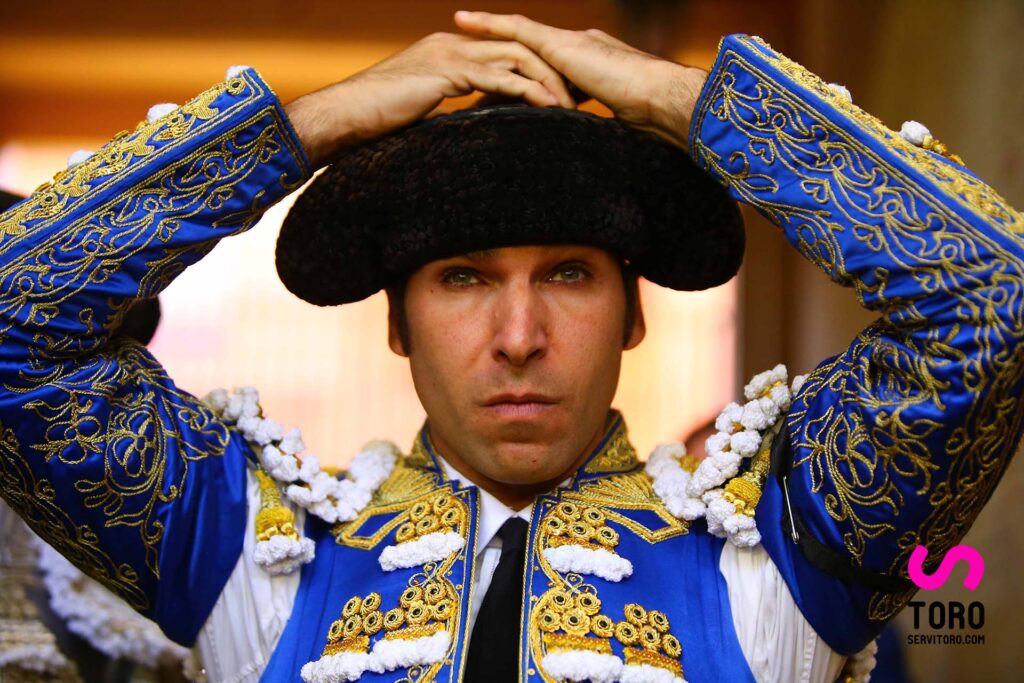
9. Minutes of silence
Many matadors dislike a minute of silence being held before the bullfight in which they are due to perform — not out of disrespect for the person being honoured, but because tradition suggests that this gesture may bring bad luck.
10. The dedication (brindis) and the position of the montera
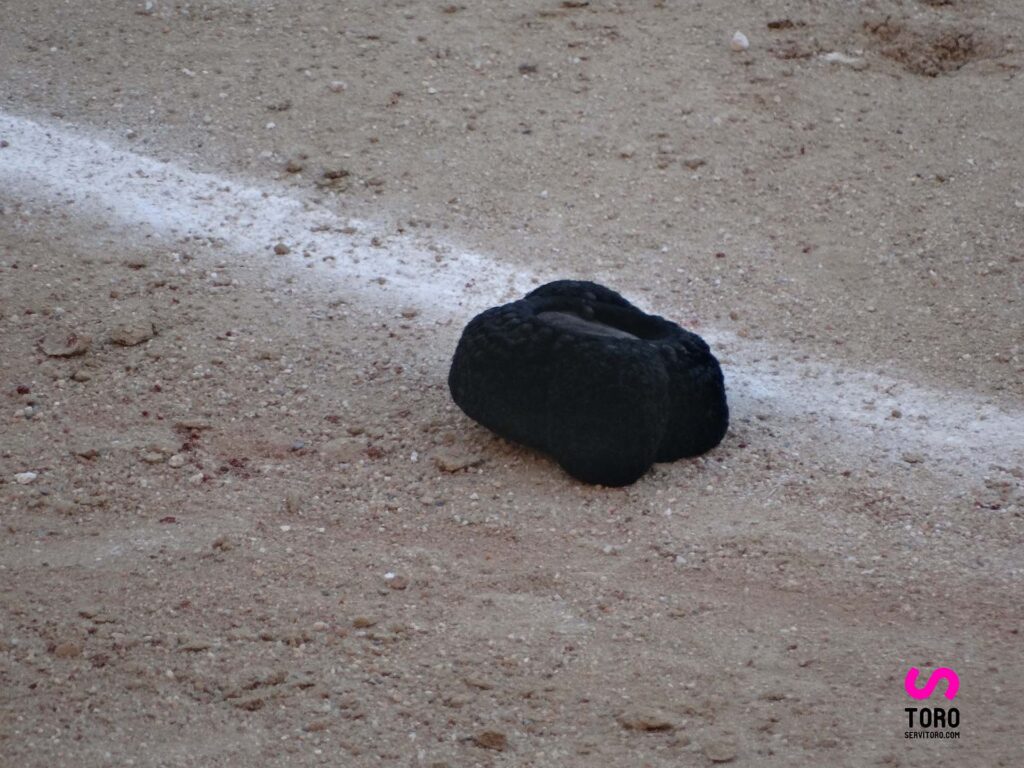
When a matador dedicates a bull to the audience (brindis), he carefully places his montera face down on the sand. If he throws it and it lands face up, he will usually turn it over with the muleta (the red cloth) or by hand. A montera placed face up is said to resemble an open coffin, an image matadors try to avoid at all costs just before beginning their performance.
There are many more superstitions, of all kinds. We could go on endlessly listing beliefs that some professionals firmly believe in, while others follow them “just in case”, in case success or failure might somehow be linked to these rituals. Such beliefs are a consequence of putting one’s life at risk every afternoon. Because death is always present, lending credibility to this art — and fame and glory to those who have the courage and audacity to face it at every bullfight.
José Miguel Arruego
Bullfighting journalist